
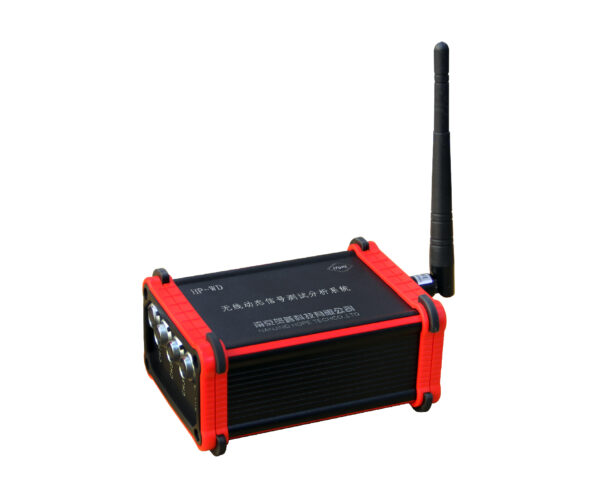
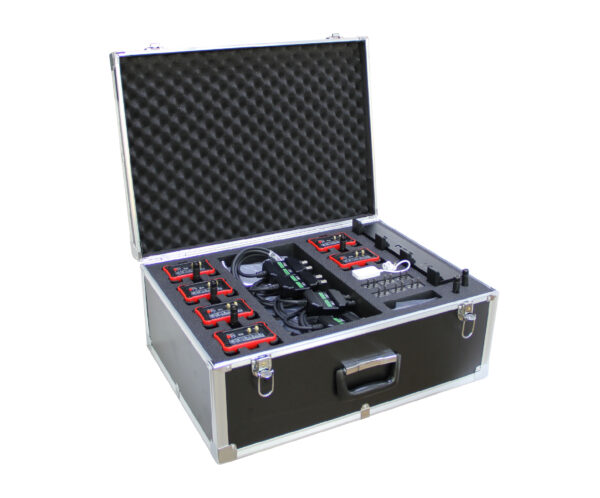
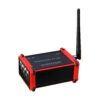
HP-WD is a portable, wireless data acquisition (DAQ) system built for high-speed, synchronized dynamic testing. It supports multi-parameter measurement (strain, voltage, current, temperature, acceleration, speed, etc.) with parallel sampling up to 128 kHz per channel, plus WiFi / optional 4G transmission and local 64 GB TF-card backup for reliable field work.
| Mixed-signal, multi-physics input | Capture strain, voltage, current, temperature, acceleration, speed and more in one system. |
|---|---|
| High-speed synchronous acquisition | All channels sample, display, and store in parallel—ideal for transient and dynamic tests. |
| Wireless deployment | WiFi / optional 4G reduces on-site cabling and speeds up test setup. |
| Data continuity & traceability | Local TF-card backup supports long tests and post-test review / remote retrieval. |
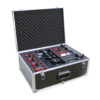
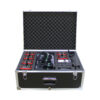
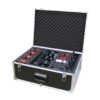
| Built for field & vehicle testing | Battery-powered, modular, and easy to carry for outdoor, vehicle, and mobile platforms. |
Model: HP-WD (128 kHz)
Type: Wireless dynamic signal testing & analysis / distributed DAQ
Max sampling rate: Up to 128 kHz per channel (parallel acquisition)
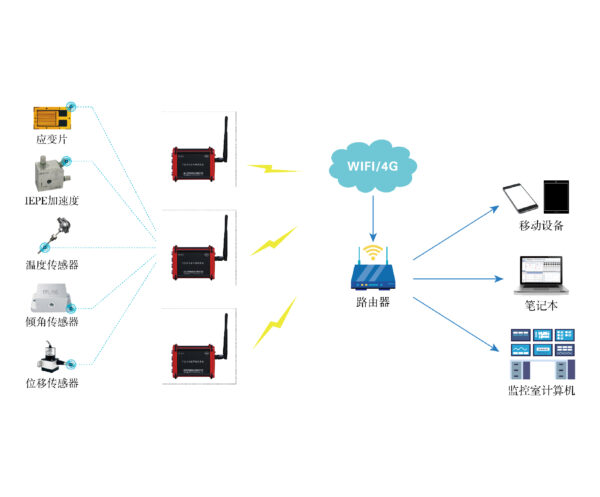
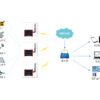
Wireless: WiFi self-network; optional 4G self-network for long-distance data access
Data safety: Local 64 GB TF card storage for continuous recording (helps prevent data loss)
Power: Built-in rechargeable lithium battery (about 5 hours standalone runtime)
Architecture: Modular, lightweight, supports multi-station distributed networking with GPS time sync
HP-WD combines stable per-channel signal conditioning + high-performance ADC to deliver synchronized, high-speed capture for dynamic events. The system is designed to reduce wiring complexity in the field by using wireless transmission, while still ensuring traceable datasets through simultaneous local storage.
Vehicle road tests: suspension, chassis strain, vibration, speed correlation
Outdoor structural monitoring: temporary strain/vibration capture without long cable runs
Rotating machinery / torque or load monitoring (via appropriate sensors)
Field validation and troubleshooting of electromechanical systems
Distributed test points across large sites using GPS timing synchronization
Electrical / analog inputs
Strain (microstrain): for strain gauges and bridge-based sensors (load, force, torque, displacement transducers, etc.)
Voltage: from millivolt-level sensor outputs up to ±10 V
Current loop: 0–20 mA and 4–20 mA transmitters
Other transmitter types: voltage/current/resistance-output devices
Temperature
RTD, thermocouple, thermistor (and similar)
Vibration / motion
Acceleration & speed sensors: magnetic type, capacitive type, IEPE type (for vibration testing workflows)
Bridge configurations (strain)
Full bridge, half bridge, quarter bridge (2-wire / 3-wire), quarter “dummy bridge” (virtual bridge) support
Channels per station: 4 / 6 / 8 channels; supports multi-station distributed networking
Sampling rate: 1 Hz to 128 kHz per channel; software remote configuration; multi-terminal GPS time synchronization
Strain range: ±3000 to ±100000 με
Voltage range: ±5 mV to ±10 V
Current: 0–20 mA, 4–20 mA
Excitation (bridge): DC 3.052 V
IEPE excitation: 4 mA / 24 V
Accuracy: 0.2% ± 2 digits
ADC: 24-bit; signal bandwidth DC to 50 kHz
Communication:
WiFi self-network, distance < 200 m
Optional 4G self-network, distance not limited (depends on cellular coverage)
Storage: Built-in 64 GB TF card
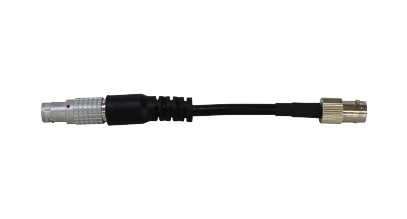
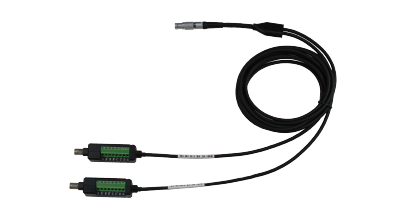
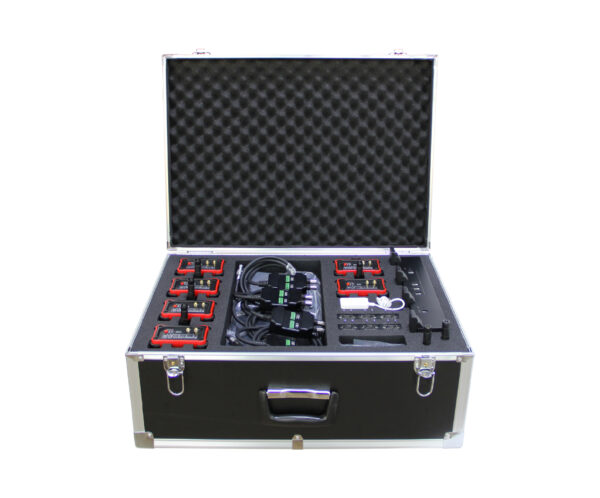
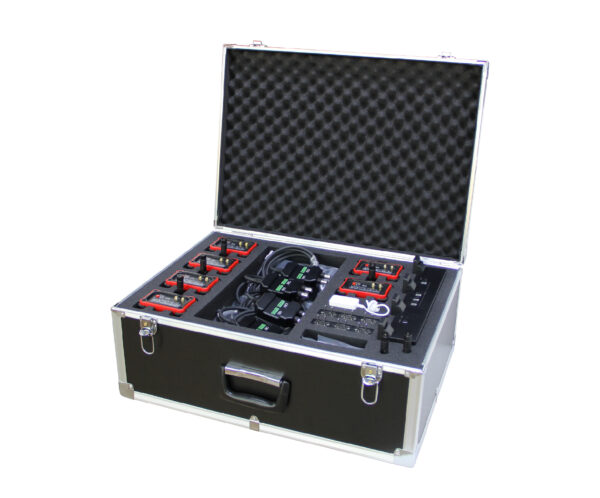
Accessories (shown):
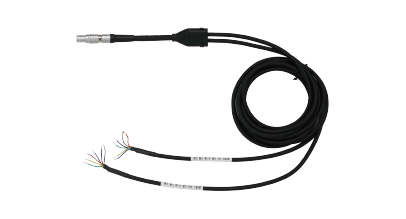
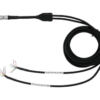
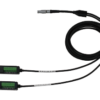
Signal cable (standard)
Strain 1-to-2 signal cable box (optional)
Voltage signal cable (optional)
Q1: Is HP-WD suitable for outdoor testing without power?
Yes. It uses a built-in rechargeable lithium battery and supports about 5 hours independent operation.
Q2: How does HP-WD reduce field wiring work?
It supports WiFi / optional 4G wireless transmission, minimizing long cable routing and on-site wiring.
Q3: Can it measure both strain and IEPE accelerometers in the same project?
Yes. It supports mixed inputs including strain (bridge), voltage/current, temperature, and IEPE-type vibration sensors.
Q4: How is data protected if the wireless link drops?
Sampling data can be saved locally to the built-in 64 GB TF card, supporting continuous recording and later retrieval.
Q5: Can multiple stations be synchronized?
Yes. It supports distributed networking with GPS time synchronization, helping align data across large areas .